Tongue scraping without the hype: what it can and cannot do
Tongue scraping removes some of the coating made from bacteria, food debris, dead cells and saliva on the tongue's surface. It may briefly improve tongue cleanliness and breath, but it does not treat cavities, gum disease or every cause of persistent odor.
What a tongue scraper actually removes
The tongue's textured surface, especially toward the back, can retain debris and odor-producing compounds. A scraper mechanically lifts some of that material away instead of merely covering its smell with flavoring.
A normal tongue can still have a thin coating, and its appearance changes with hydration, meals, coffee, tobacco use and time of day. The goal is gentle cleaning, not making the surface perfectly smooth or uniformly pink.
- Common removable material includes food residue, shed cells and accumulated saliva.
- A scraper does not remove plaque from between teeth or beneath the gumline.
- Scraping harder does not produce a healthier tongue and can cause irritation.
The benefits are modest and specific
Some people notice a cleaner mouth feel and a temporary reduction in morning breath after scraping. The effect varies because bad breath can also arise from gum inflammation, dry mouth, cavities, tonsil debris, smoking, diet or medical conditions.
Research on tongue cleaning generally focuses on coating and short-term odor measures. That is different from proving long-term prevention of dental disease, systemic illness or permanent changes to the oral microbiome.
- Most plausible use: removing visible tongue coating.
- Possible short-term benefit: reducing odor generated on the tongue.
- Not established: whitening teeth, repairing enamel or curing gum disease.
Recommended Products
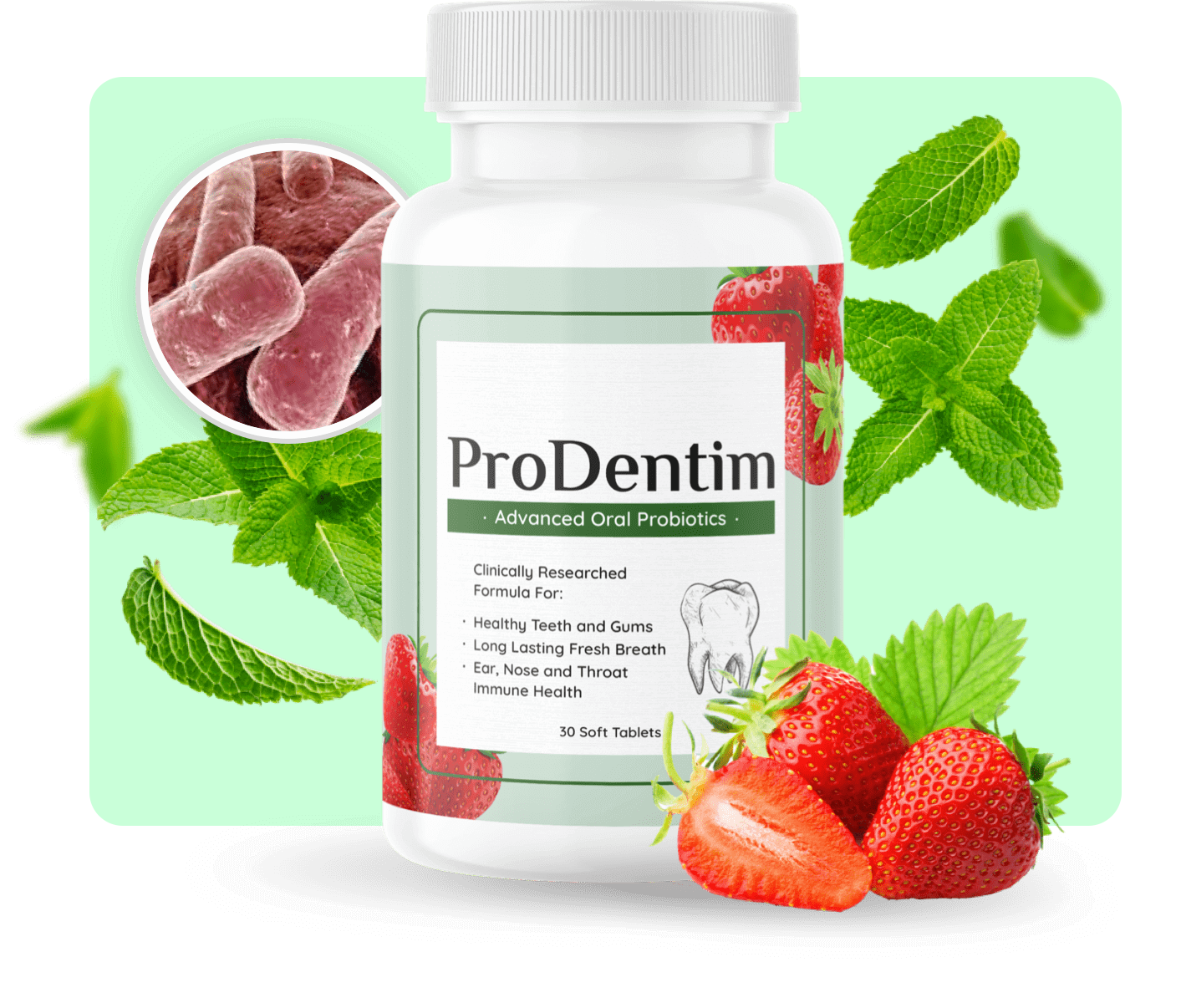
prodentim
The seller presents ProDentim as a probiotic-and-nutrient oral supplement containing a stated 3.5 billion microorganisms. Its disclosed components include B. lactis BL-04, Lactobacillus reuteri, peppermint and the fiber inulin, but the supplied merchant text does not establish clinical results for the finished formula.
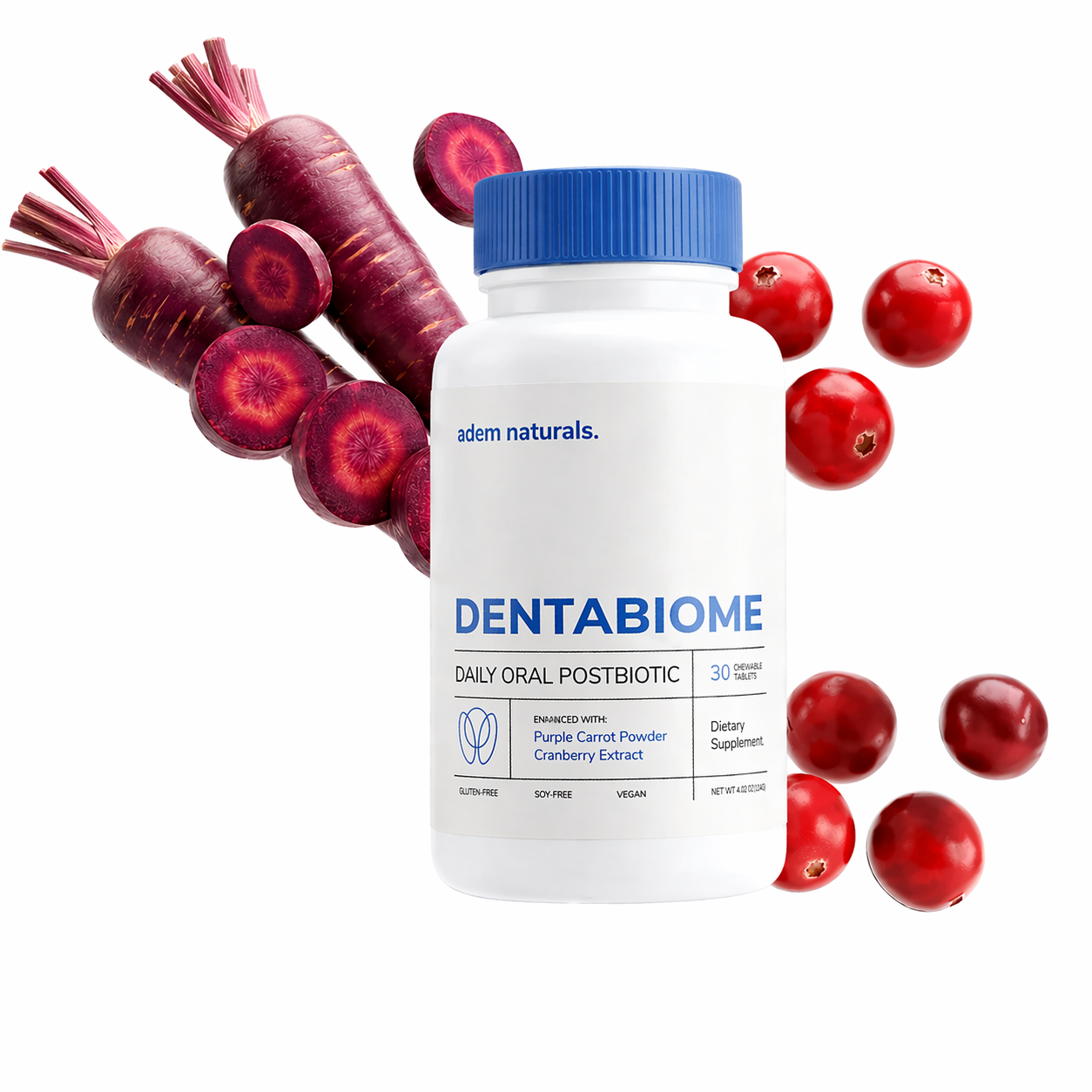
dentabiome
DentaBiome is described as a chewable postbiotic rather than a conventional live-probiotic product. The seller lists L. plantarum, L. salivarius and L. rhamnosus preparations alongside xylitol, cranberry extract, purple carrot powder and BioFresh Clean Complex.
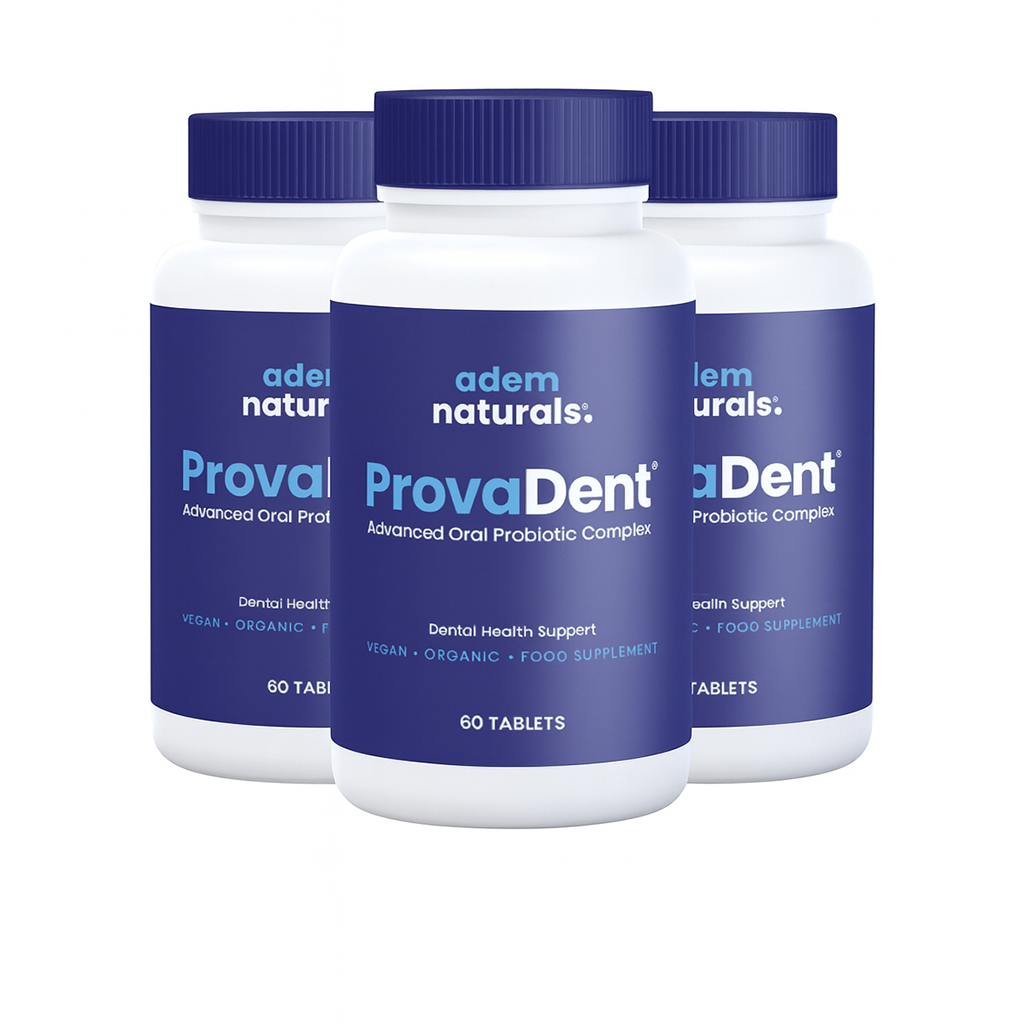
provadent
ProvaDent is presented as a capsule containing xylitol, cranberry extract, purple carrot powder, BioFresh Clean Complex and four probiotic strains. The supplied seller text does not name those four strains, limiting strain-specific comparison with other microbial products.
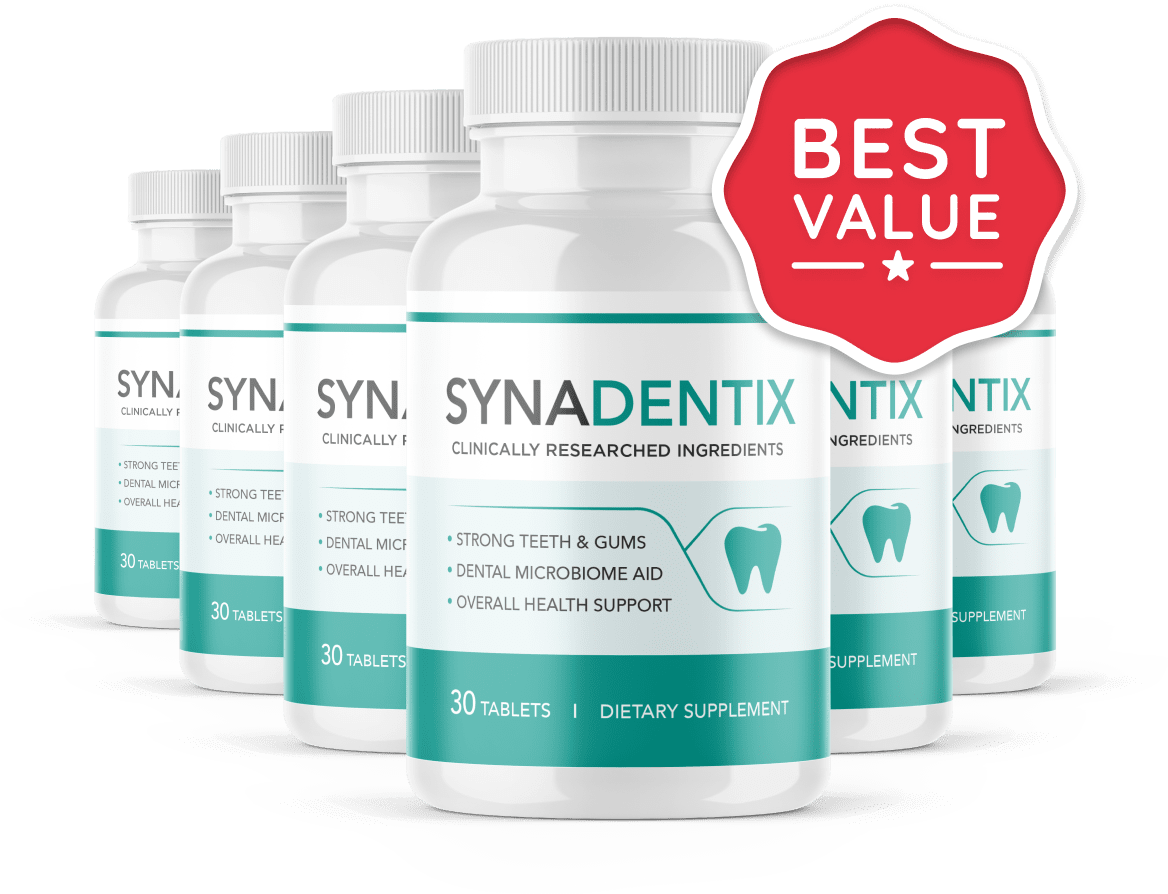
synadentix
Synadentix is described as a chewable intended to melt under the tongue or be chewed at night. Its seller highlights microcrystalline hydroxyapatite, lactoferrin and marine enzymes, a different formula profile from the probiotic and plant-based products in this group.
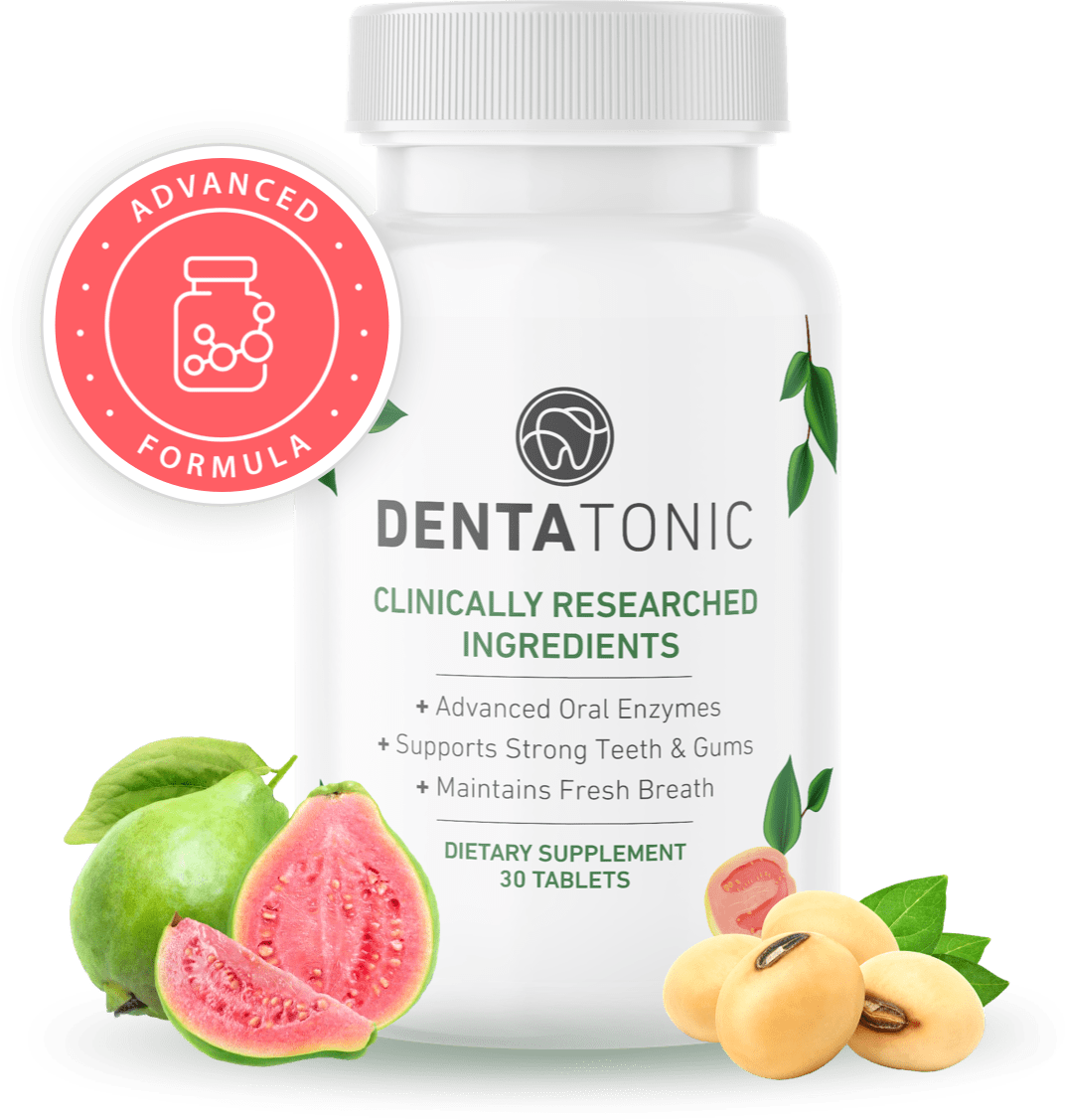
dentatonic
The seller describes DentaTonic as a once-daily tablet built around a proprietary blend of enzymes and proteins, with an emphasis on salivary lactoperoxidase. The source also uses inconsistent wording about drops and tablets, so shoppers should confirm the actual format and Supplement Facts panel before ordering.
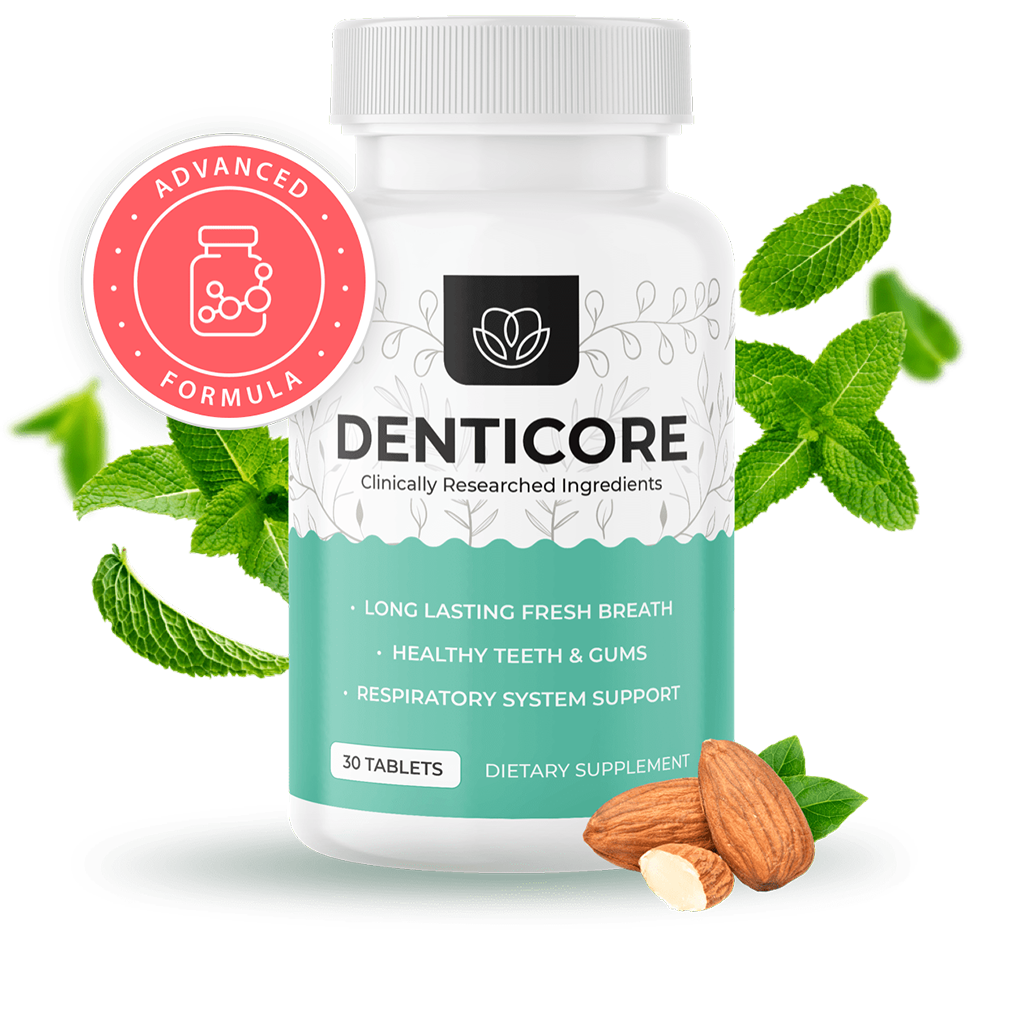
denticore
DentiCore is described in the supplied text as a soft chewable that may be chewed briefly or swallowed with water. Calcium and shilajit extract are among the named ingredients, although the source also labels the product as a capsule in places.
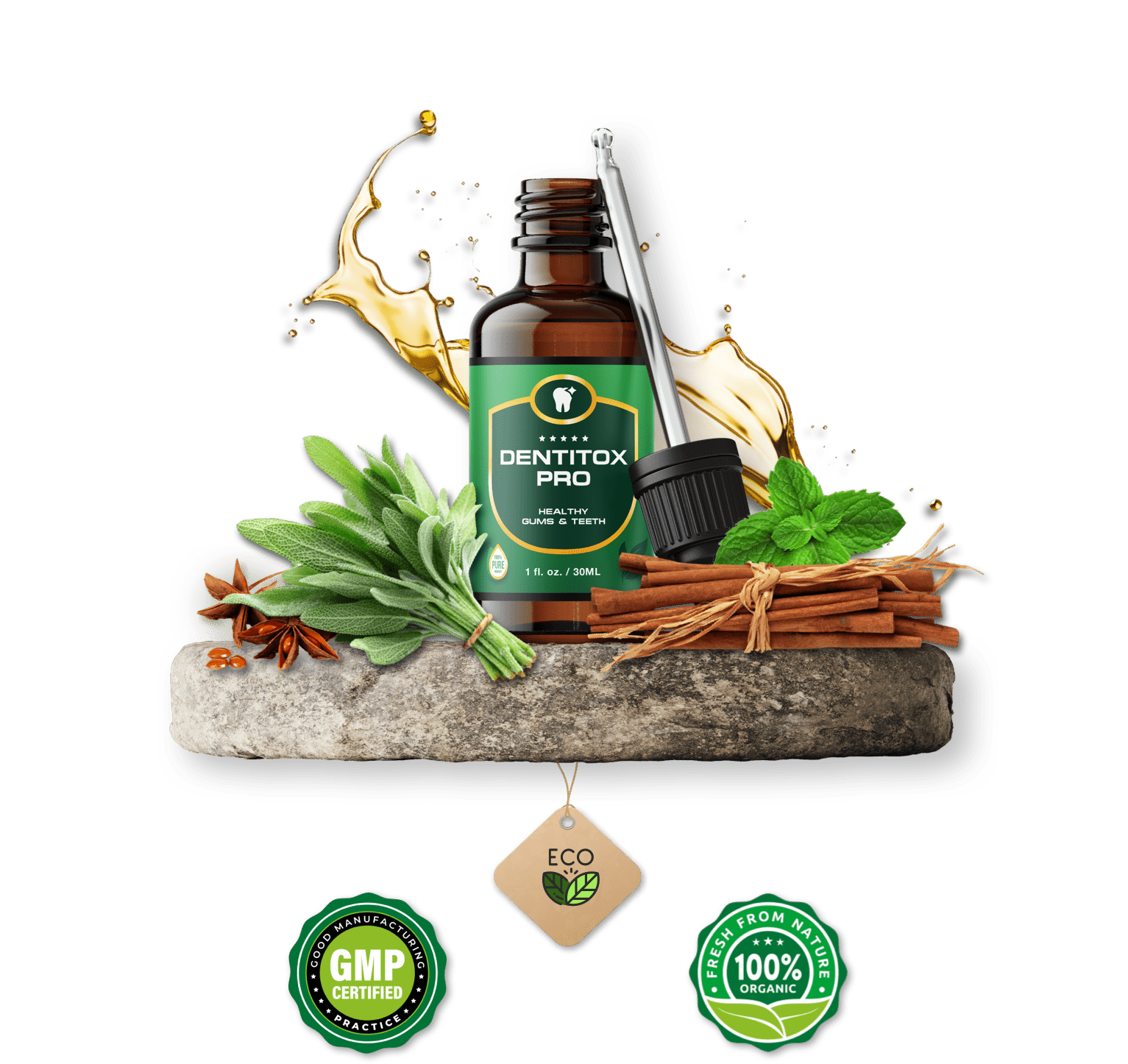
dentitox pro
Dentitox Pro is marketed as an oral drop formula rather than a capsule or chewable. The disclosed ingredients include xylitol, licorice, elderberry and vitamins A, C and D3; the seller's disease-prevention language should not be treated as proof of clinical efficacy.
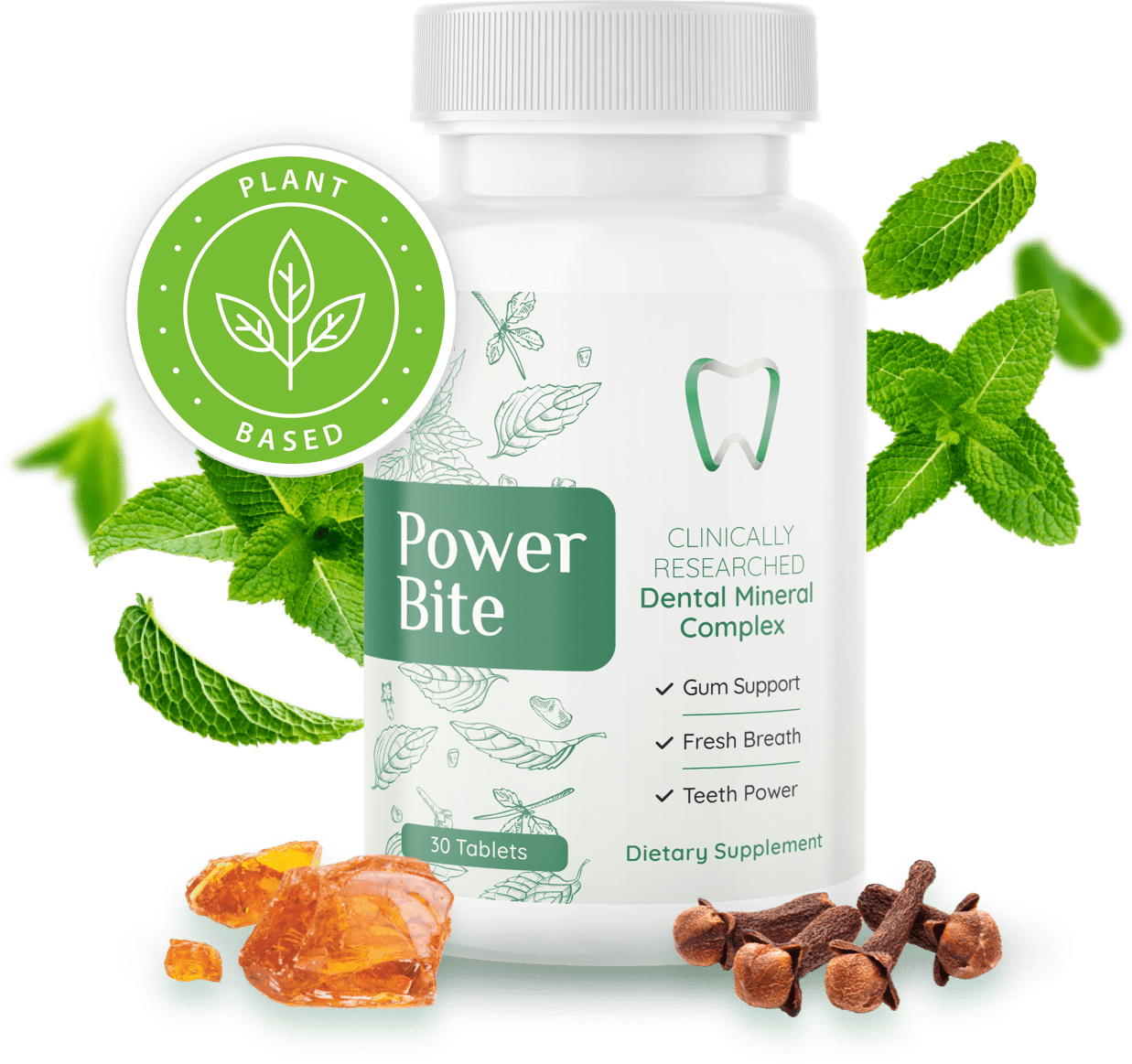
powerbite
PowerBite is presented as a dental candy made with a proprietary mixture of plants and minerals. Myrrh and wild mint are the specific examples disclosed in the supplied seller text, while exact blend quantities are not provided there.
Where scraping fits in oral hygiene
Tongue cleaning is an optional step after the basics: brush twice daily with fluoride toothpaste, clean between teeth every day and attend dental visits based on your individual risk. If time is limited, those measures matter more than scraping.
Scraping once daily is usually enough for someone who finds it helpful. It can be done before or after brushing; consistency and gentle technique matter more than the sequence.
- Use a clean scraper or a toothbrush with a tongue-cleaning surface.
- Rinse the tool after each pass and wash it after use.
- Do not share a tongue-cleaning device.
- Stop if the tongue becomes painful, raw or bloody.
When coating or odor deserves attention
A recurring coating is not automatically a hygiene failure. Dry mouth, medications, recent antibiotics, mouth breathing, tobacco and certain infections can alter the tongue's appearance.
Arrange a dental or medical assessment when bad breath persists despite thorough brushing, interdental cleaning and tongue care. A patch, ulcer, lump, unexplained bleeding or color change lasting about two weeks should also be examined rather than repeatedly scraped.
- Seek urgent help for tongue swelling that interferes with breathing or swallowing.
- Ask about dry mouth if saliva feels thick or the mouth remains sticky.
- Do not scrape painful white patches or a lesion that does not wipe away.
Frequently Asked Questions
Many consider gentle tongue cleaning a reasonable optional hygiene step, particularly for coating or tongue-related odor. It does not replace fluoride toothpaste, interdental cleaning or evaluation of persistent symptoms.
Once daily is sufficient for most people who choose to scrape. Reduce the frequency or stop if it causes tenderness, altered taste, bleeding or a burning sensation.
No. A light coating can be normal and may vary during the day. Thick, painful, persistent or unusual-looking changes deserve evaluation.