How to evaluate bad-breath supplements alongside tongue scraping
Tongue scraping is a mechanical way to remove surface coating, while oral supplements make broader claims involving bacteria, saliva, gums or enamel. Their formats and formulas differ, and a product page cannot establish that a supplement treats the cause of persistent bad breath.
Start by identifying the problem you want to solve
Visible coating that improves after gentle cleaning is different from odor caused by gum disease, decay or chronic dry mouth. Before buying a supplement, use brushing, interdental cleaning, hydration and tongue cleaning consistently, then note whether odor remains.
A supplement should not delay an examination when symptoms include tooth pain, gum bleeding, loose teeth, oral sores or odor that persists despite thorough care.
- For coating: assess whether gentle scraping produces a visible and comfortable improvement.
- For dry mouth: review hydration, medications and saliva symptoms with a clinician.
- For recurring odor: ask a dentist to check teeth, gums, appliances and oral tissues.
Probiotics and postbiotics are not the same
Probiotics contain live microorganisms. For these products, a species name alone is less informative than a complete strain identifier, the viable count expected through the end of shelf life, storage requirements and evidence for that exact formulation.
Postbiotics are preparations of nonliving microorganisms or their components. Colony-forming units, or CFUs, measure viable organisms and therefore do not describe a nonliving preparation in the same way. A label should make the product category and quantity clear.
- Look for genus, species and strain identifiers rather than a general bacteria count alone.
- Check whether the stated amount applies at manufacture or through expiration.
- Do not assume evidence for one strain transfers to another strain or a multi-ingredient blend.
- Ingredient plausibility is not proof that a finished product prevents disease.
Recommended Products
prodentim
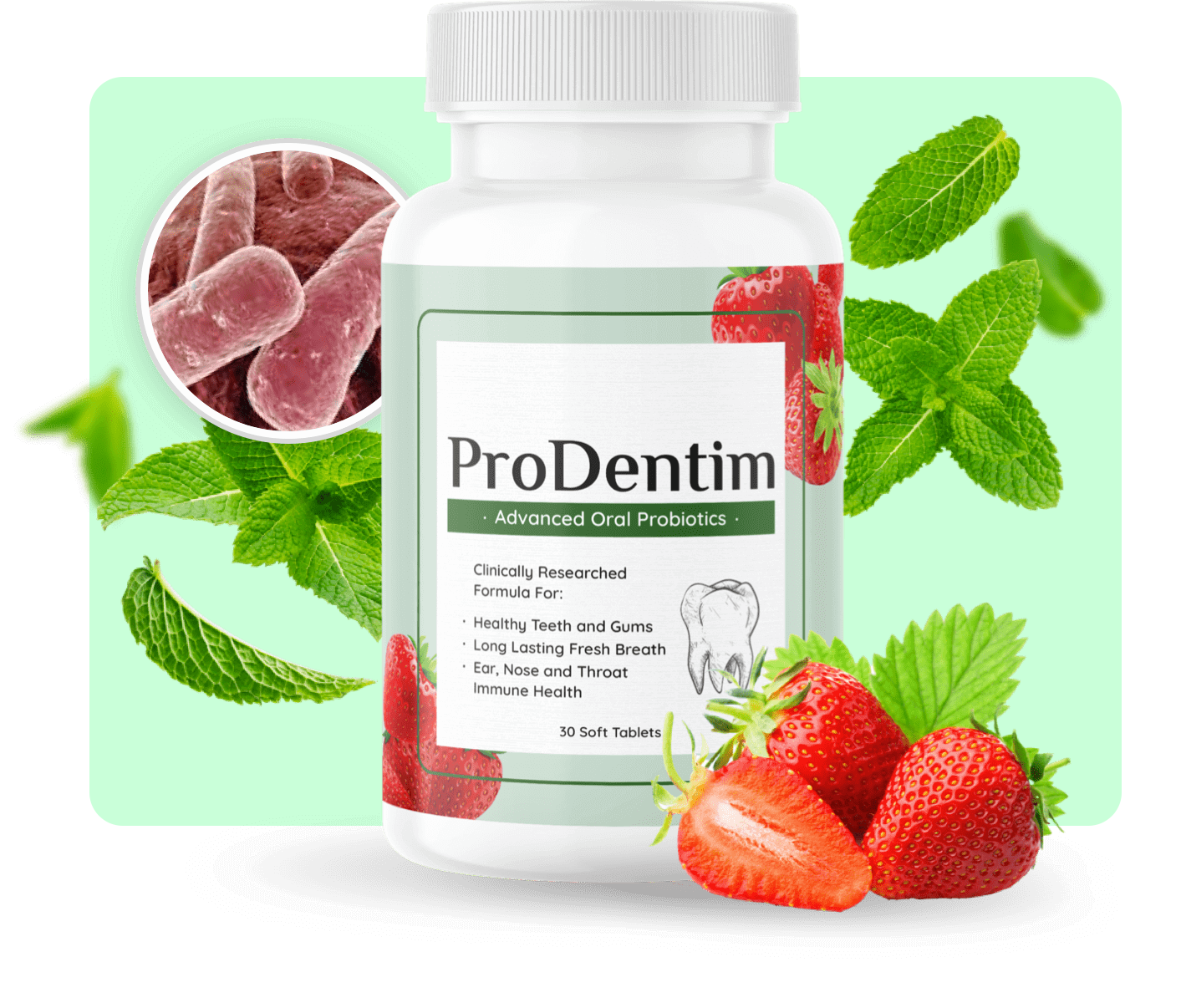
The seller presents ProDentim as a probiotic-and-nutrient oral supplement containing a stated 3.5 billion microorganisms. Its disclosed components include B. lactis BL-04, Lactobacillus reuteri, peppermint and the fiber inulin, but the supplied merchant text does not establish clinical results for the finished formula.
dentabiome
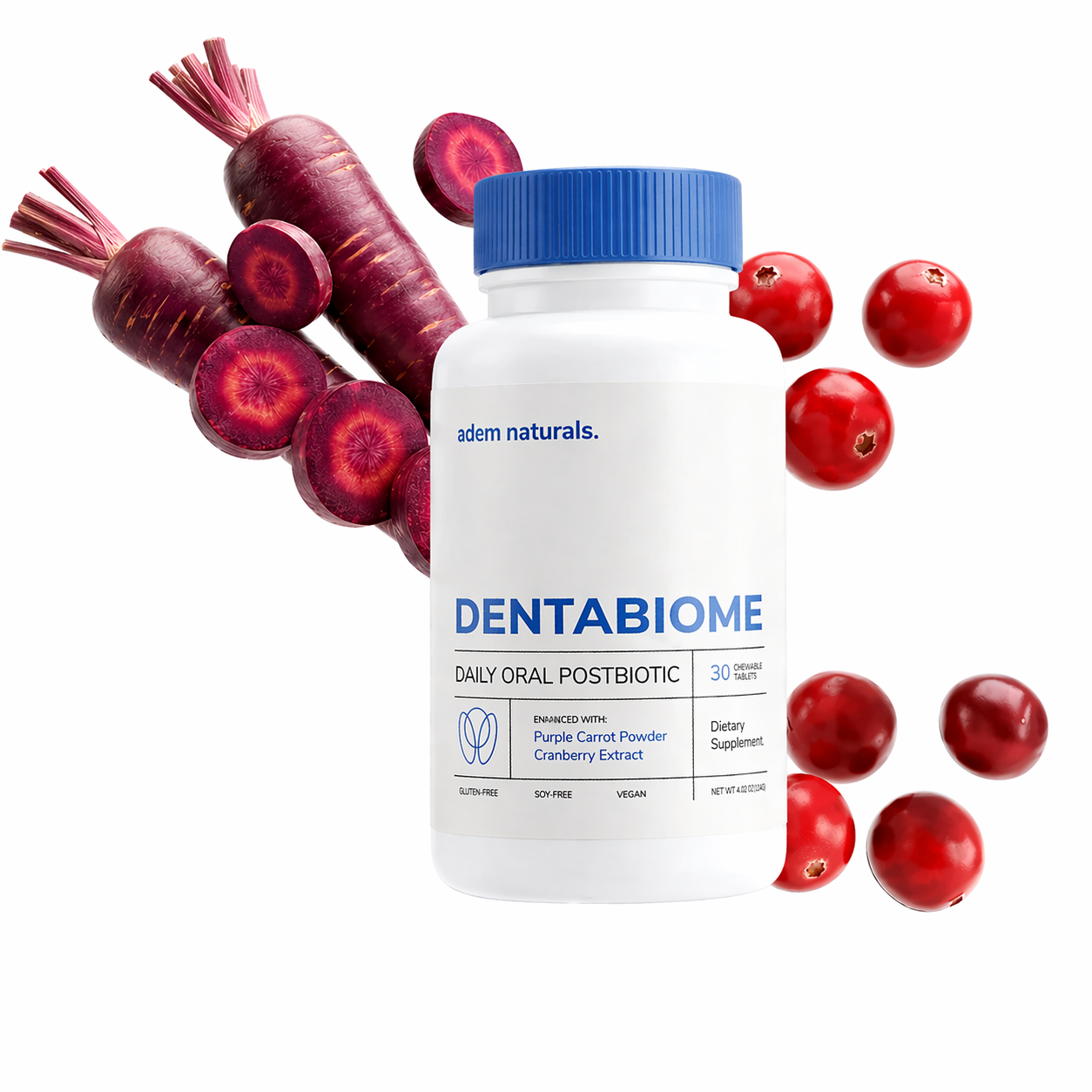
DentaBiome is described as a chewable postbiotic rather than a conventional live-probiotic product. The seller lists L. plantarum, L. salivarius and L. rhamnosus preparations alongside xylitol, cranberry extract, purple carrot powder and BioFresh Clean Complex.
provadent
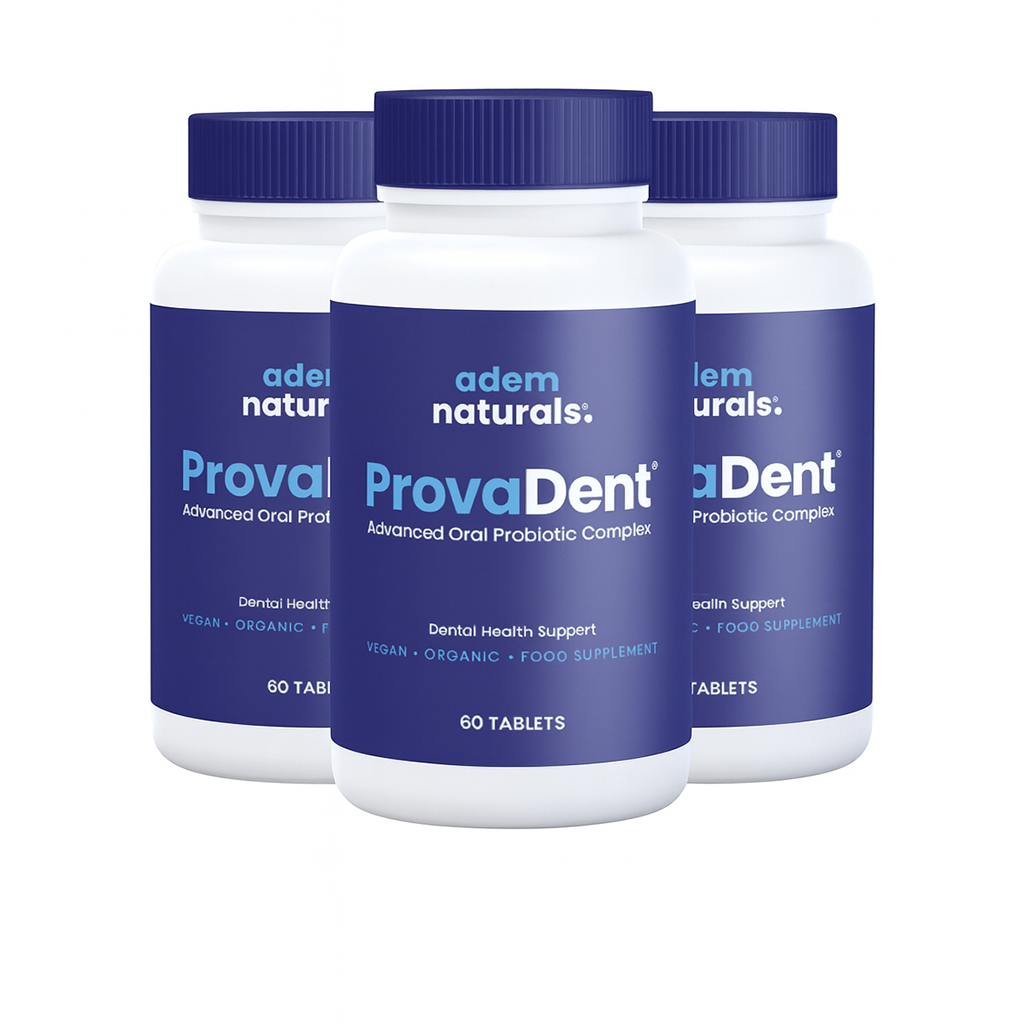
ProvaDent is presented as a capsule containing xylitol, cranberry extract, purple carrot powder, BioFresh Clean Complex and four probiotic strains. The supplied seller text does not name those four strains, limiting strain-specific comparison with other microbial products.
synadentix
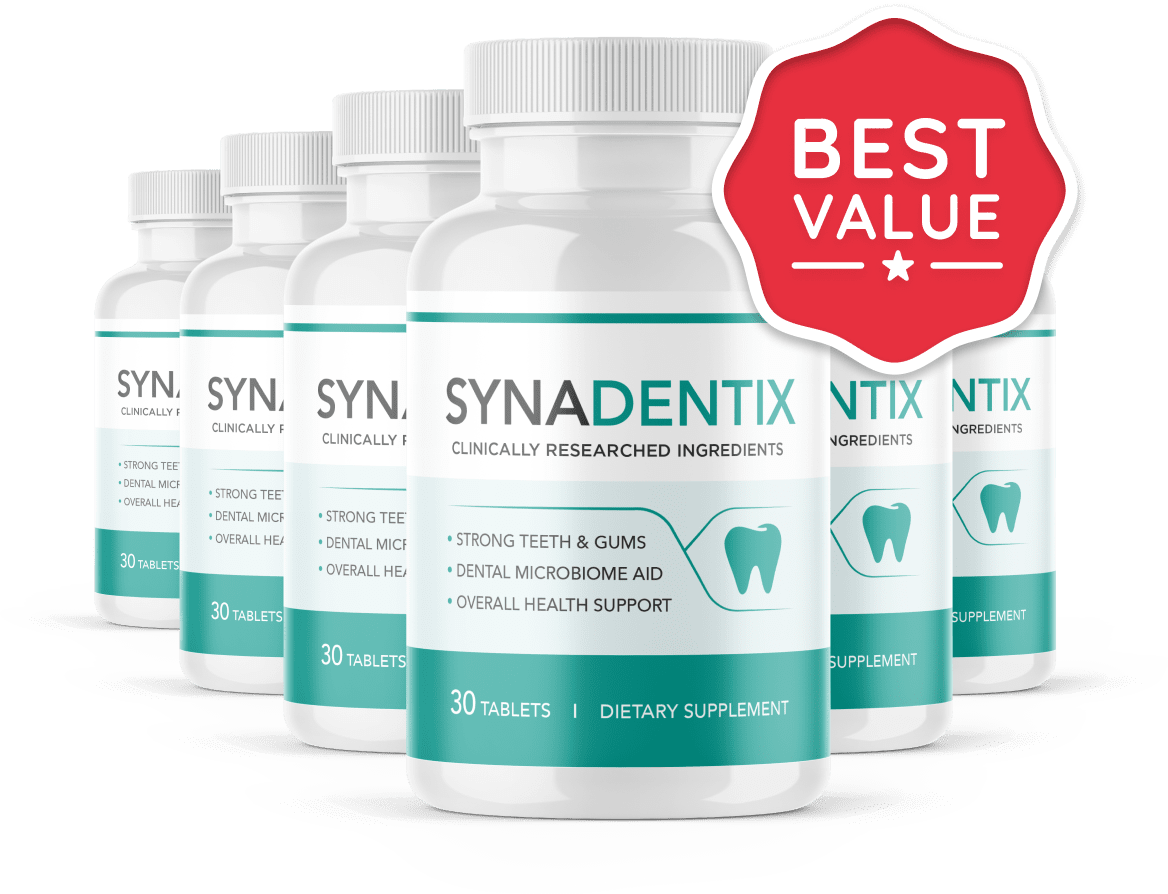
Synadentix is described as a chewable intended to melt under the tongue or be chewed at night. Its seller highlights microcrystalline hydroxyapatite, lactoferrin and marine enzymes, a different formula profile from the probiotic and plant-based products in this group.
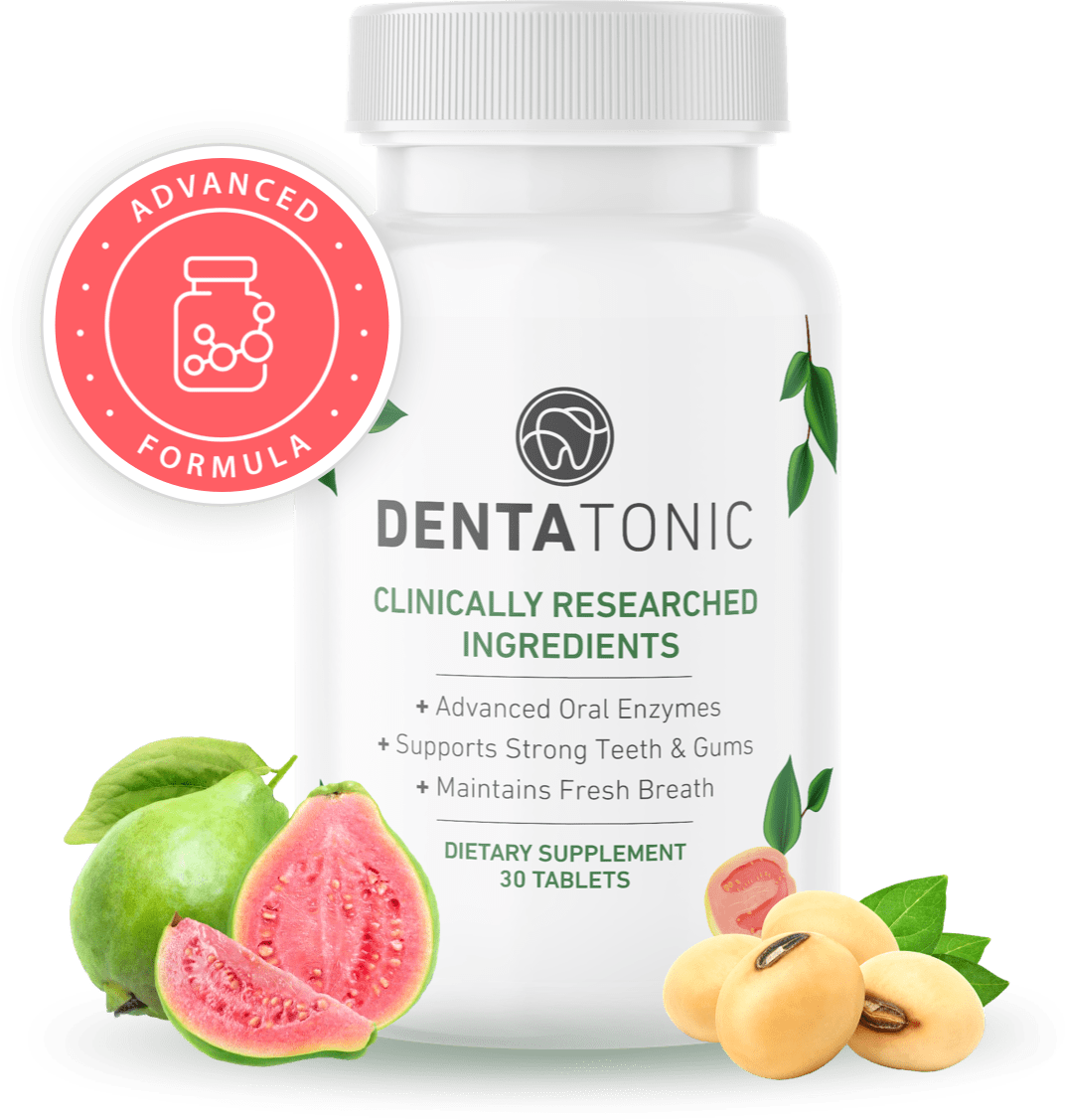
dentatonic
The seller describes DentaTonic as a once-daily tablet built around a proprietary blend of enzymes and proteins, with an emphasis on salivary lactoperoxidase. The source also uses inconsistent wording about drops and tablets, so shoppers should confirm the actual format and Supplement Facts panel before ordering.
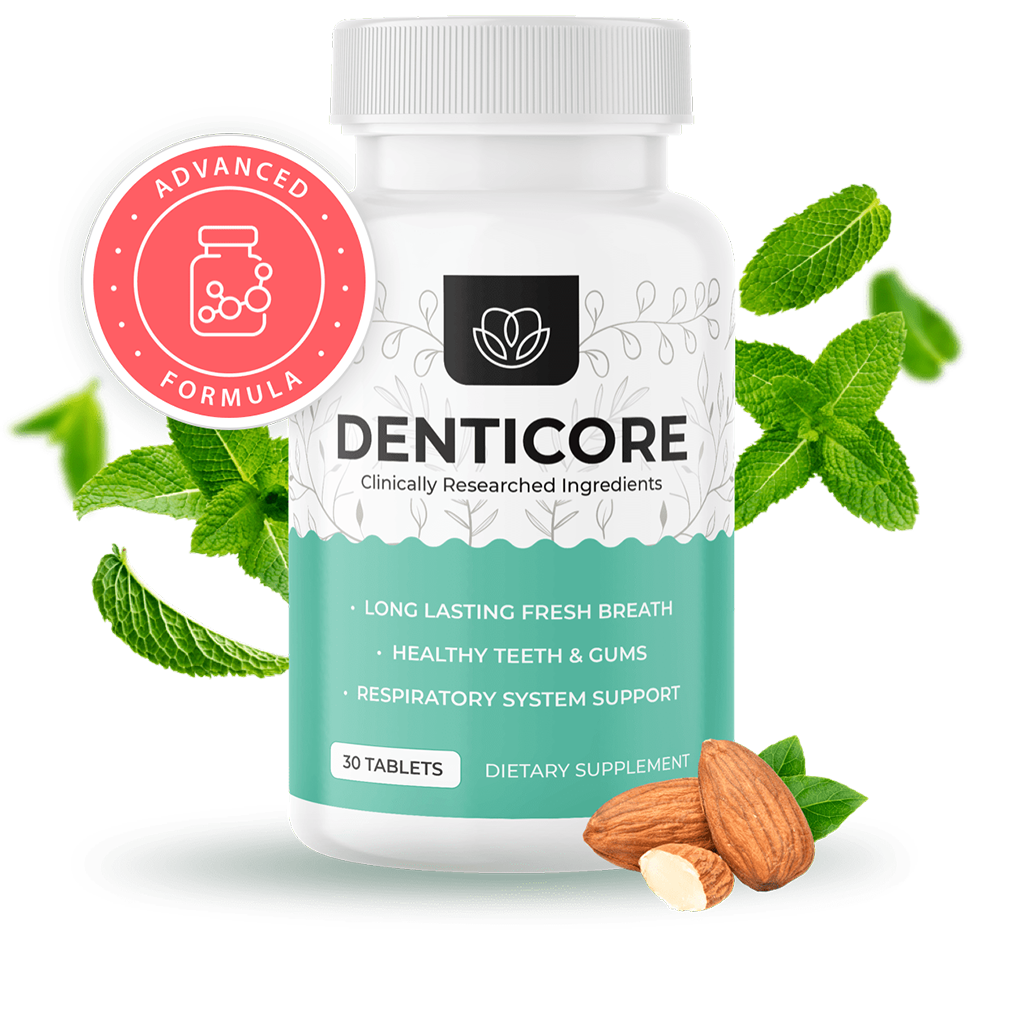
denticore
DentiCore is described in the supplied text as a soft chewable that may be chewed briefly or swallowed with water. Calcium and shilajit extract are among the named ingredients, although the source also labels the product as a capsule in places.
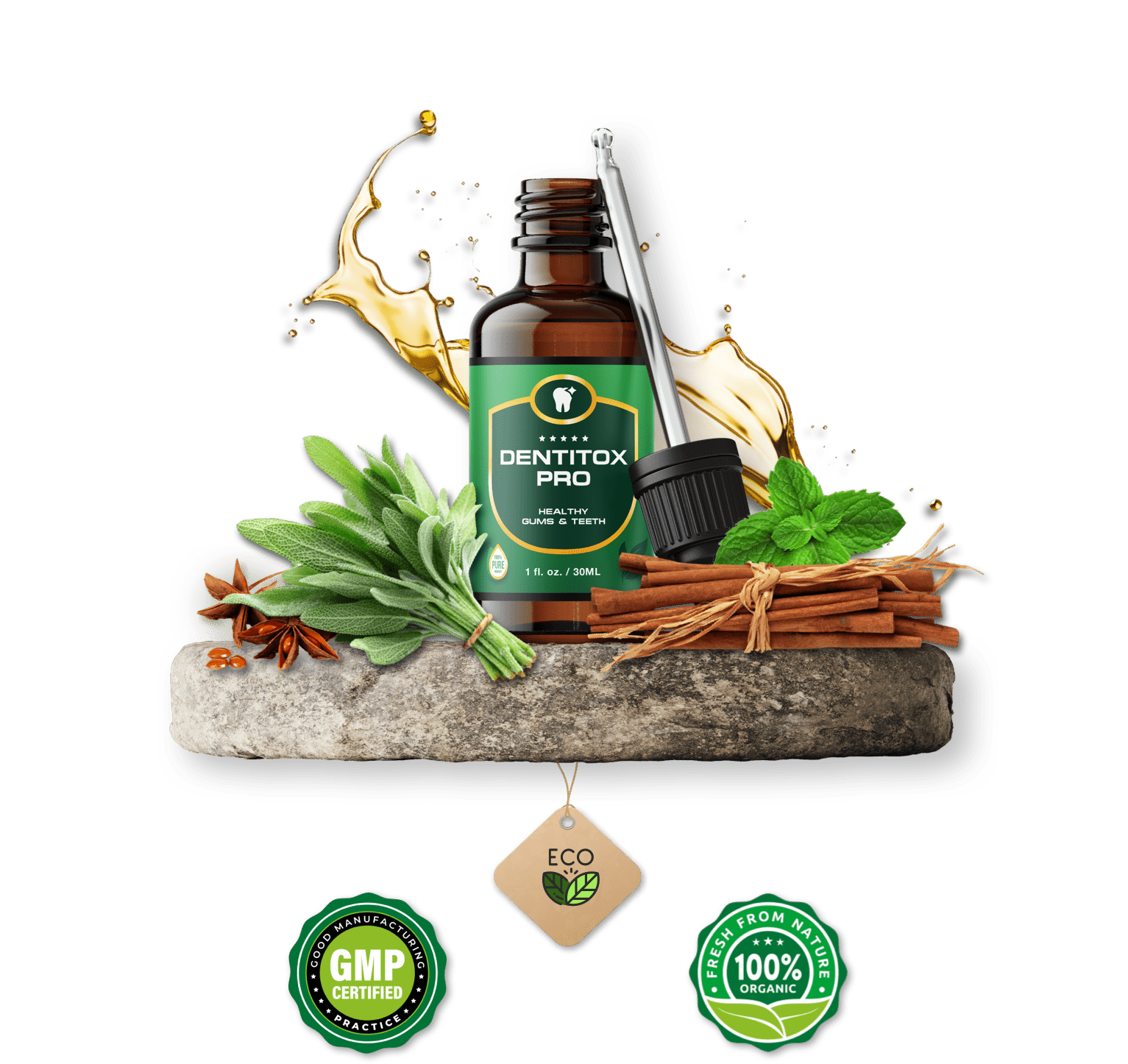
dentitox pro
Dentitox Pro is marketed as an oral drop formula rather than a capsule or chewable. The disclosed ingredients include xylitol, licorice, elderberry and vitamins A, C and D3; the seller's disease-prevention language should not be treated as proof of clinical efficacy.
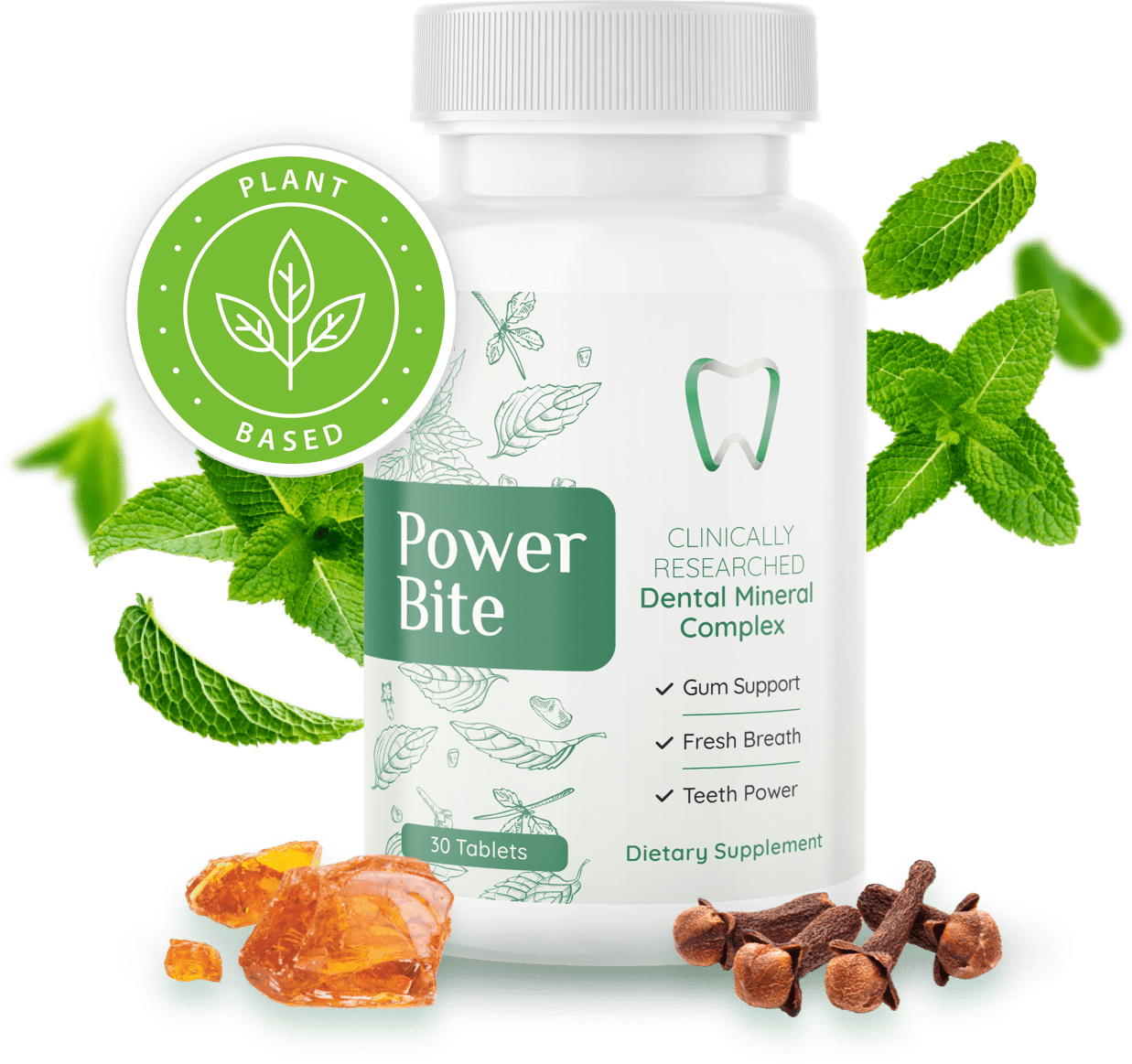
powerbite
PowerBite is presented as a dental candy made with a proprietary mixture of plants and minerals. Myrrh and wild mint are the specific examples disclosed in the supplied seller text, while exact blend quantities are not provided there.
What the selected product descriptions actually distinguish
The supplied information comes from seller-controlled pages, not independent clinical evaluations. It is still useful for comparing format and disclosed components, but claims about plaque, enamel, gums or lasting breath effects require stronger evidence than a sales description.
- ProDentim is presented as a probiotic and nutrient blend with a seller-stated 3.5 billion count; the page names B. lactis BL-04, Lactobacillus reuteri, peppermint and inulin.
- DentaBiome is described as a chewable postbiotic formula containing L. plantarum, L. salivarius and L. rhamnosus preparations, plus xylitol, cranberry extract and purple carrot powder.
- ProvaDent is presented in capsule form with four probiotic strains, xylitol, cranberry extract, purple carrot powder and a proprietary BioFresh Clean Complex; the supplied text does not identify the four strains.
- Synadentix is a nighttime chewable described with microcrystalline hydroxyapatite, lactoferrin and marine enzymes.
- DentaTonic is described as a once-daily tablet with an enzyme-and-protein blend intended by the seller to support salivary lactoperoxidase, although the page also uses inconsistent product-format wording.
- DentiCore is described as a soft chewable that can also be swallowed, with calcium and shilajit among the disclosed components.
- Dentitox Pro is presented as oral drops containing xylitol, licorice, elderberry and vitamins A, C and D3.
- PowerBite is marketed as a dental candy with a proprietary plant-and-mineral blend; the disclosed examples include myrrh and wild mint.
Use a disciplined label checklist
First confirm what the product physically is: live probiotic, nonliving postbiotic, conventional supplement, candy, chewable or drops. Then compare the full Supplement Facts panel with the sales page because proprietary blends and partial ingredient lists can prevent meaningful dose comparisons.
Check sweeteners, allergens, storage directions, serving instructions and interactions with your health conditions or medications. Children, pregnant people, immunocompromised individuals and anyone with complex medical care should discuss unfamiliar supplements with an appropriate clinician.
- Is the complete ingredient list available before purchase?
- Are microbial strains fully identified?
- Are quantities disclosed rather than hidden entirely in a proprietary blend?
- Does the format expose teeth to sugars or acids?
- Are claims limited to support language, or do they promise to cure dental disease?
- Is there evidence on the finished formulation rather than isolated ingredients?
Keep standard prevention in the foreground
Fluoride toothpaste, interdental cleaning, appropriate dental treatment and management of dry mouth have clearer roles in preventing common oral problems than seller testimonials or ingredient narratives. A pleasant flavor or cleaner sensation does not demonstrate cavity prevention or enamel repair.
If you try a product, choose one variable outcome to track, such as morning odor or mouth dryness, and set a limited reassessment date. Stop for rash, swelling, worsening mouth irritation or other unexpected symptoms.
- Continue brushing twice daily with fluoride toothpaste.
- Do not use a supplement to postpone treatment for decay or gum disease.
- Treat urgent facial or tongue swelling as a medical emergency.
- Bring the bottle or full label to a dental or medical appointment if questions arise.
Frequently Asked Questions
No. They are different approaches: scraping mechanically removes surface material, while a probiotic supplies live microorganisms. Neither replaces brushing, interdental cleaning or treatment of an underlying oral condition.
Not by itself. Strain identity, survival through shelf life, delivery format and evidence for the exact formulation matter; a larger number alone does not prove a better result.
A supplement sales claim cannot establish that. Chronic odor can come from gum disease, decay, dry mouth, tonsil debris, tobacco use or other conditions, so identifying the cause is more useful than repeatedly masking it.